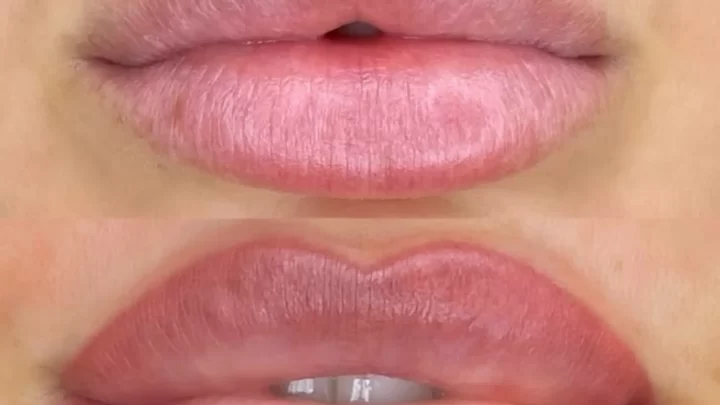

If you’ve been scrolling through beauty training options and wondering Is this lip tattoo course nationally recognised (RTO), or is it a private certificate?, you’re definitely not the only one. I’m Olha Po, a cosmetic tattooing artist working in Melbourne since 2016, and I can tell you — this question comes up in almost every chat I have with new students. Choosing the right training programs shapes your whole future in the Beauty Industry, so it pays to understand how accreditation, Infection Control, and Skin Penetration Treatments fit into the licensing process. Before you enrol in any lip tattoo course, make sure the trainer actually teaches modern lip blush methods rather than outdated techniques that won’t serve you in a real studio.
The good news? Once you understand the difference between nationally recognised infection control units and private cosmetic tattoo courses, the whole decision becomes a lot easier — and a lot less confusing.
Understanding RTO vs Private Training
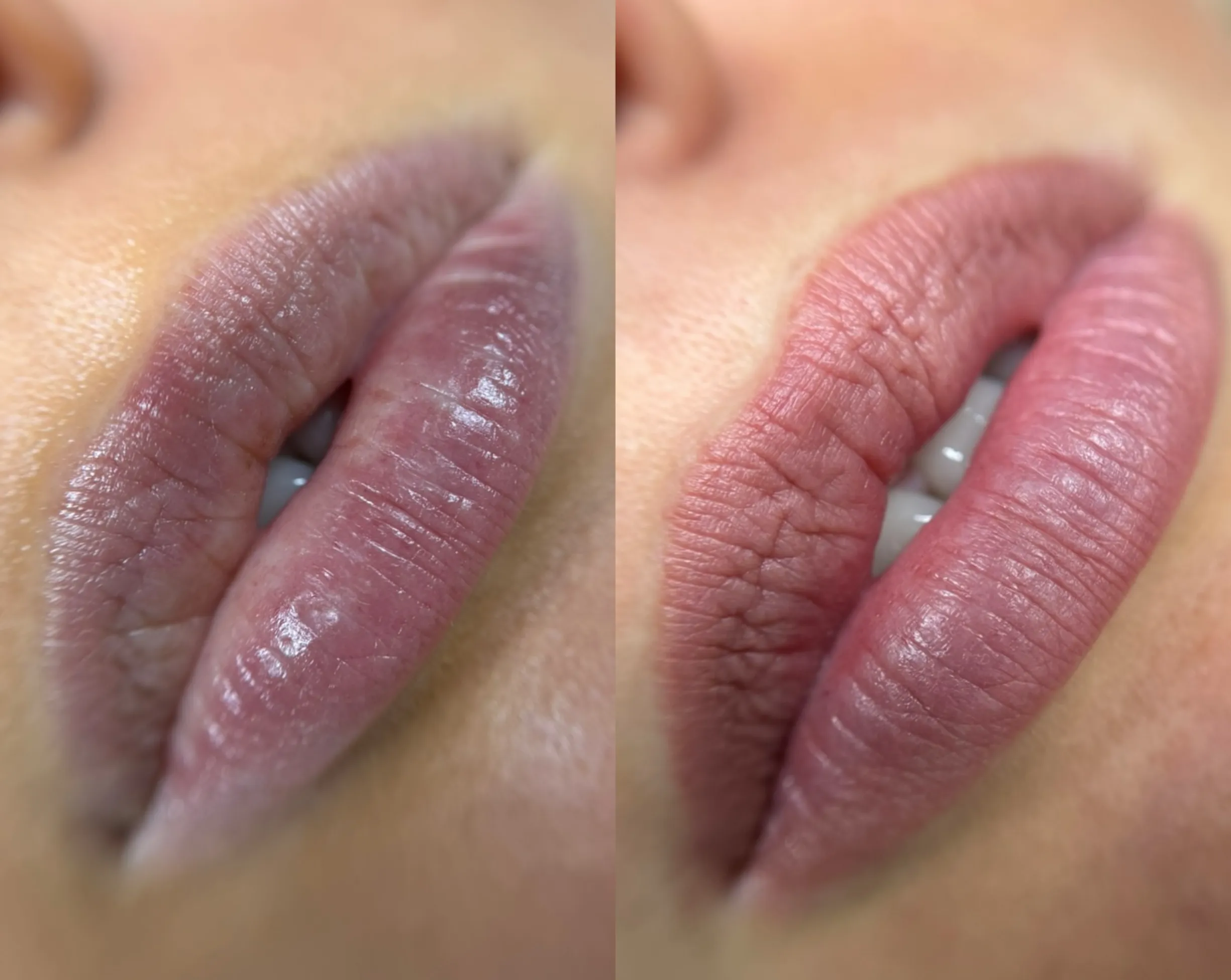
A lip blush or lip tattoo course in Australia can be delivered through a Registered Training Organisation (RTO) or as a private certificate through an independent trainer. Both pathways operate legally, but they serve different needs. RTOs focus on competency-based outcomes tied to infection control standards, while private courses tend to focus on technique, colour theory, lip design, lip mapping, rotary tattoo machine handling, needle configurations & machine use, and cosmetic tattoo design. Most cosmetic tattoo courses focus on technique development, colour theory, and hands-on model work, which is why new artists often prefer private educators over formal RTO pathways.
If your goal is to offer cosmetic tattoo treatments that actually look good and heal well, private training often provides the hands-on experience you need. If your goal is to meet hygiene requirements for Skin Penetration Treatments, you’ll need infection control certification through an RTO.
This is where many students get confused: technique training is private; infection control is nationally recognised.
Why Artists Learn Techniques Privately
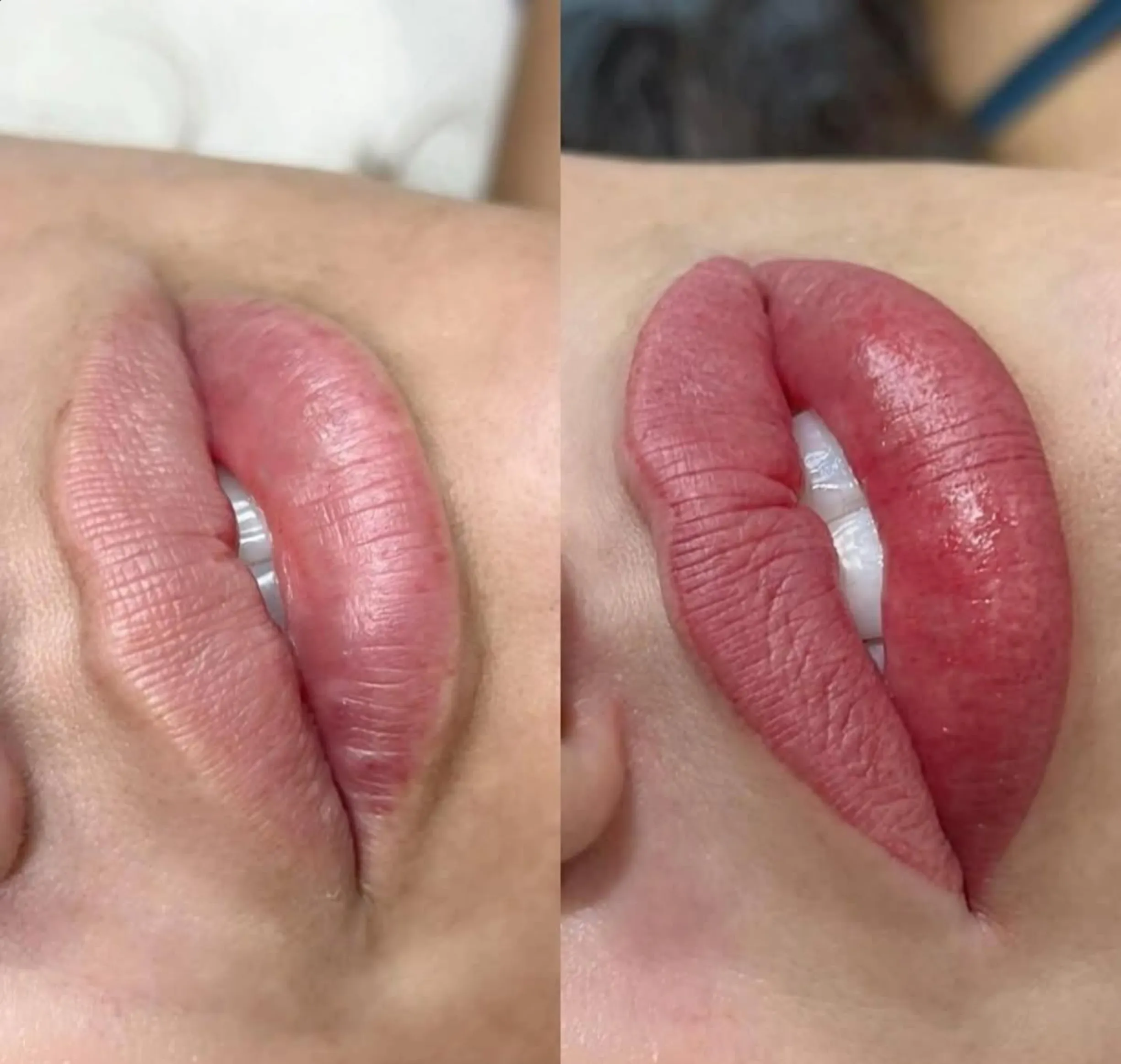
Australia’s cosmetic tattoo industry sits in an unusual space: the artistry itself isn’t covered in the national training package. That means techniques like lip blush, ombre brows, colour wheel application, cosmetic tattoo kit use, cosmetic tattoo design, and precision machine handling do not fall under any accredited qualification. It’s common for students who finish an eyebrow tattoo course to return later for lip blush education once they realise how different the techniques — and the learning curves — truly are.
In fact, while the SHB50321 Diploma of Cosmetic Tattooing exists, it focuses heavily on hygiene and infection control standards rather than detailed tattoo artistry. That’s why many artists, including industry-leading experts, still choose private beauty courses for the technique portion of their training.
Put simply:
No RTO unit officially teaches modern lip blush tattooing techniques.
Private educators fill this gap because the industry standards evolve faster than government frameworks.
What Nationally Recognised Actually Means
A nationally recognised qualification must follow the Australian Qualifications Framework (AQF). This includes:
- Delivery through an approved RTO
- Mandatory assessment tied to formally endorsed units
- Documented Infection prevention & hygiene protocols
- Meeting strict Hygiene and infection control standards
- Formal certificates showing the national recognition logo
But here’s the key detail:
No AQF unit teaches lip blush, lip design, cosmetic tattoo kit use, or colour theory for tattooing.
Some lip tattoo courses include bonus modules like lip mapping and colour correction, while others focus purely on shading techniques, so always check the curriculum closely.
Only the infection control units (such as HLTINF units) are nationally recognised — and these cover topics like:
- Disposal of infectious waste
- Disinfection of the treatment area
- Preventing cross-contamination
- Maintaining safe environments for Skin Penetration Treatments
These are essential for licensing but not designed to teach artistry.
What You Really Get From Each Pathway
RTO vs Private Course Comparison
| Feature | RTO Course (Nationally Recognised) | Private Certificate Course |
|---|---|---|
| Focus | Infection Control & Compliance | Tattoo artistry & technique |
| Includes lip tattooing? | No | Yes, in-depth |
| Hands-on practice | Limited | High, with live models |
| Trainer background | Often, general beauty educators | Industry-leading expert artists |
| Teaches colour theory? | Minimal | Yes — extensive colour wheel training |
| Covers machine handling? | Only safety | Yes — full needle configurations & machine use |
| Industry relevance | Moderate | High |
| Cost | $1,000–$5,000 | $2,500–$7,000+ |
| Best for beginners? | Only for hygiene requirements | Yes — teaches real tattoo skills |
(Data based on common cosmetic tattooing industry training options in Australia, 2024–2025.)
Why Experienced Artists Prefer Private Training
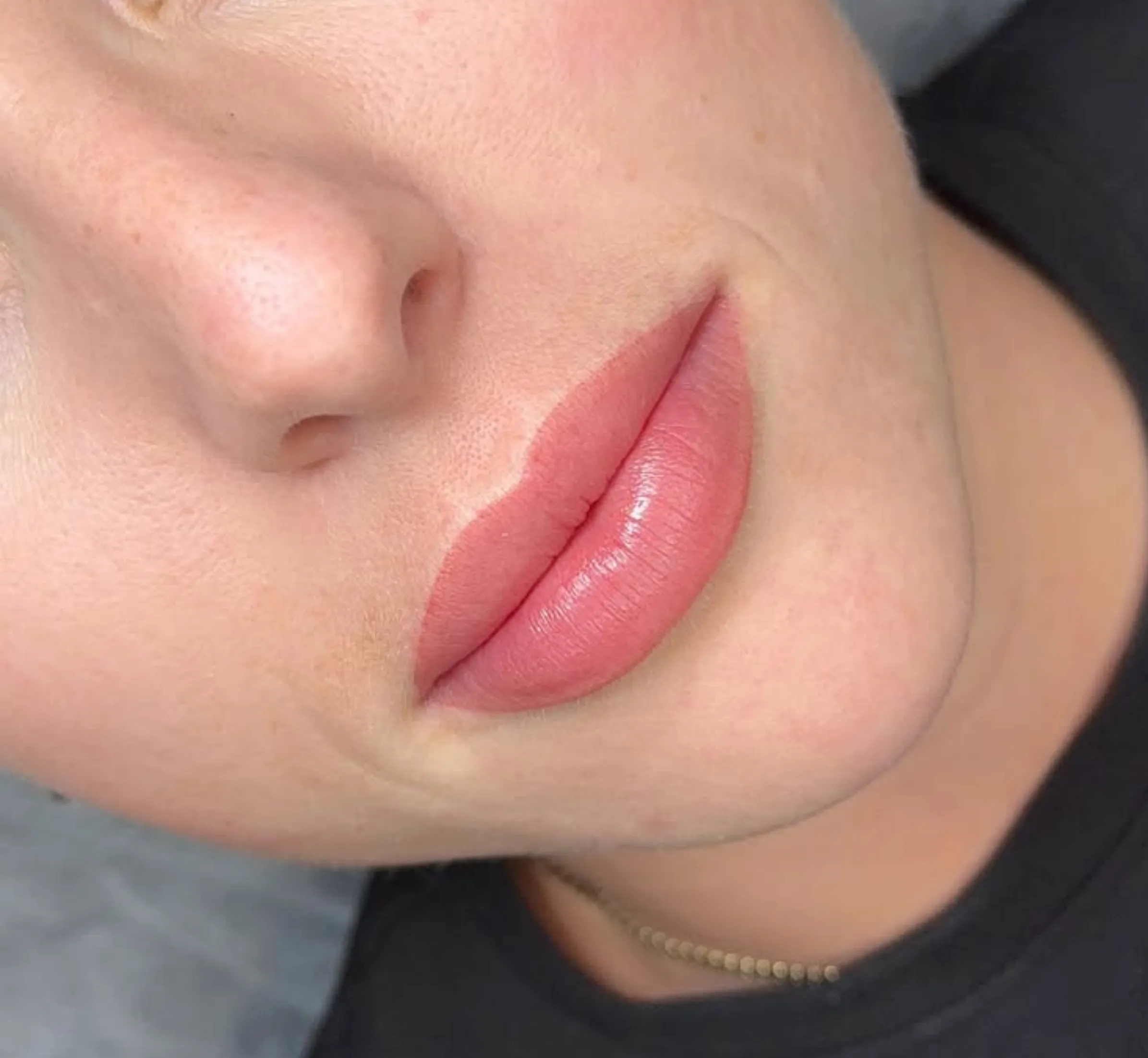
If you talk to artists who are actually active in the cosmetic tattoo industry, you’ll hear the same feedback again and again:
RTOs focus on compliance; private training focuses on technique.
Students often tell me:
“My RTO course covered disinfection of the treatment area, but not how to shade lips properly.”
“The assessment felt like paperwork, not real cosmetic tattoo services.”
“My private trainer helped me understand Fitzpatrick skin types and skin anatomy & healing — not just hygiene rules.”
Good cosmetic tattoo training should cover everything from infection control to needle configurations to Fitzpatrick skin types, not just the artistic side of tattooing.
Tattoo artistry is hands-on. You cannot learn the subtleties of shading, pressure control, lip mapping, or achieving natural beauty results from a workbook.
What Melbourne Councils Actually Require
Whether you’re working in Fitzroy, Southbank, or a little home salon in the northern suburbs, Melbourne councils largely focus on:
- Completion of infection control certification
- Adherence to Hygiene and infection control standards
- Correct disposal of infectious waste
- Safe setup for Skin Penetration Treatments
They do not require your lip blush, ombre brows, or cosmetic tattooing technique training to come from an RTO.
They do require you to demonstrate safe practice.
This is where your infection control units matter — because they are nationally recognised.
When A Nationally Recognised Course Matters
A nationally recognised certificate is essential if:
- You’re registering a studio for Skin Penetration Treatments
- You’re applying for insurance that requires Infection Control
- Your council demands documented training aligned with industry standards
- You want the SHB50321 Diploma of Cosmetic Tattooing for broader study pathways
An industry statistic worth noting:
84% of cosmetic tattoo insurance policies require infection control certification — not a Diploma of Cosmetic Tattooing.
Again, the artistry is taught privately; the hygiene is regulated.
What Good Beginner Training Includes
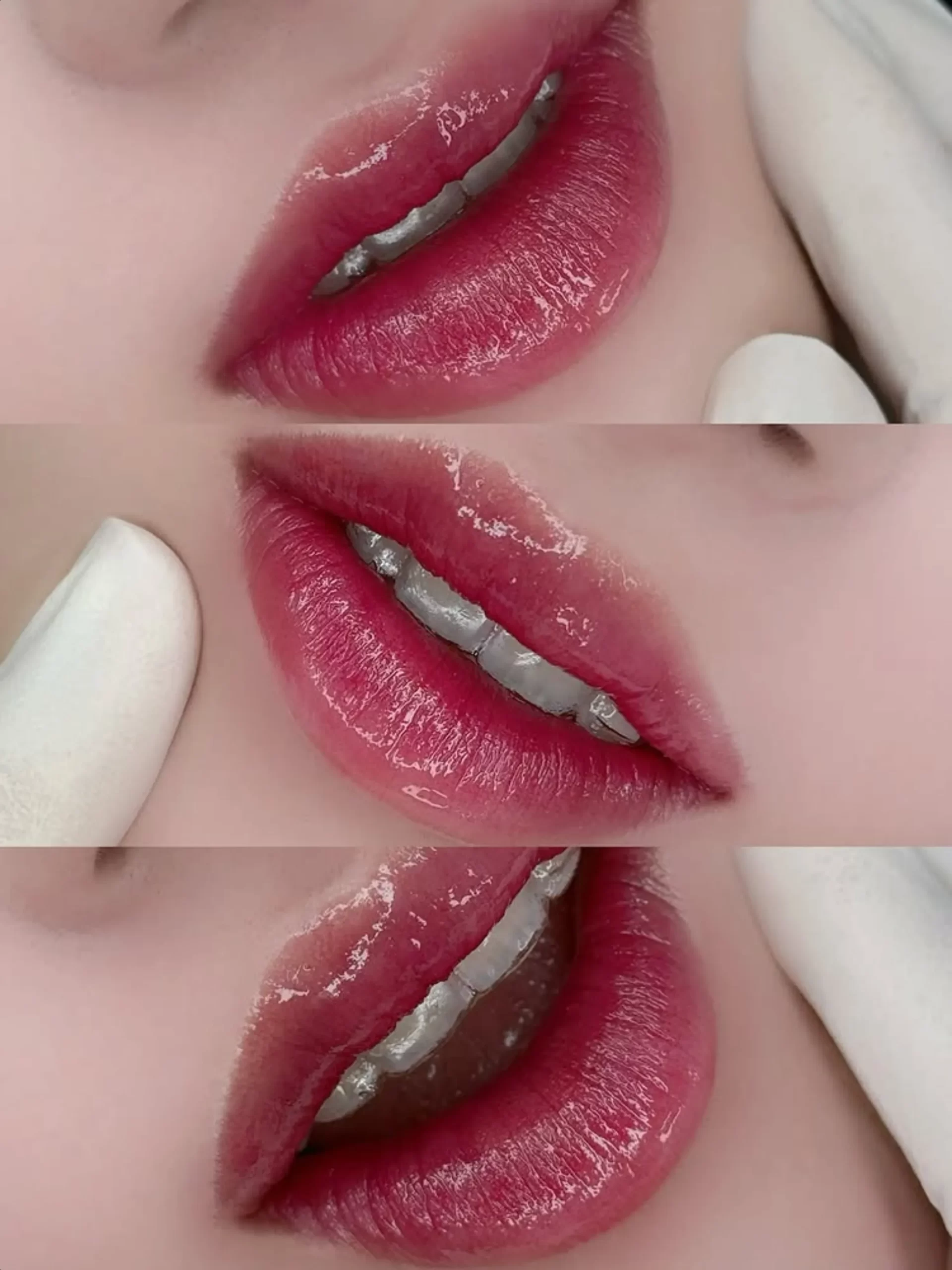
Regardless of RTO or private pathways, a proper course should include:
- Colour theory and the colour wheel
- Lip mapping + lip design
- Understanding Fitzpatrick skin types
- Cosmetic tattoo kit use
- Needle configurations & machine use
- Rotary tattoo machine handling
- Skin anatomy & healing
- Techniques for lip blush, ombre effects, and natural beauty outcomes
- Training on client needs
- Cosmetic tattoo design principles
- Hygiene routines that complement Infection Control skills
Some lip tattoo courses include bonus modules like lip mapping and colour correction, while others focus purely on shading techniques, so always check the curriculum closely.
If a course doesn’t include these, it won’t prepare you for real clients in the cosmetic tattooing industry.
My Honest Professional Recommendation
After eight years of tattooing thousands of lips in Melbourne, performing correction work, and training new artists who want to enter the cosmetic tattoo industry with confidence, here’s my straightforward advice:
Get your infection control certification through an RTO.
Learn your cosmetic tattoo treatments through a reputable private educator.
The RTO ticks the legal boxes for hygiene.
The private training teaches you how to actually tattoo.
Both matter — but for different reasons.
Final Thoughts & Call To Action
Choosing between an RTO and private cosmetic tattoo course isn’t about what looks good on paper — it’s about what genuinely prepares you to tattoo real clients safely and confidently. Your infection control certification protects your clients. Your private training shapes your artistry.
If you’d like help choosing the right training program or want a professional opinion before enrolling, feel free to reach out anytime. I’m always happy to guide new artists through the enrolment process so they can enter the Beauty Industry with skill, clarity, and confidence.
FAQ
Are private cosmetic tattooing certificates acceptable for licensing?
Yes — councils mainly require infection control units, not technique accreditation.
Will clients ask whether my lip blush training came from an RTO?
Never. They ask to see healed results, reviews, and your portfolio.
Does the SHB50321 Diploma of Cosmetic Tattooing include lip blush techniques?
Not in depth. It covers hygiene, safety, and Skin Penetration Treatments, not modern artistry.
What training do I need before offering cosmetic tattoo services in Melbourne?
A nationally recognised infection control unit + private technique training + council registration.
Can private trainers teach colour theory, Fitzpatrick skin types, and machine handling?
Yes — private educators usually teach these better than RTOs because they actively work in the cosmetic tattooing industry.