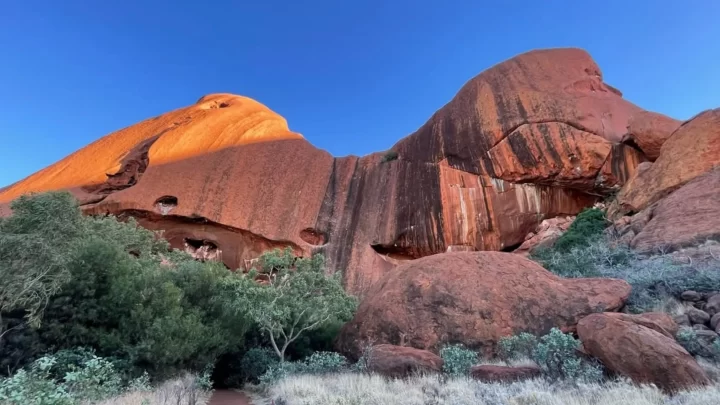

Most people know Uluru as Australia’s heart, but not everyone knows what happened to Uluru in 1985 — a year that changed everything for this sandstone giant. I still remember the stories from guides older than me who said the handback was a turning point, not just for tourism but for the whole country recognising Uluru land rights. This is not just about a rock — it’s about people, culture and a hard-won return.
The Handback Ceremony: When the Title Was Returned
October 26 1985, the Australian Government formally returned the land title of Uluru (then called Ayers Rock) and Kata Tjuta (the Olgas) to the Anangu, the Traditional Owners. It was a big ceremony with lots of symbolism, the Governor-General handed over the deeds in front of a crowd of locals, politicians and international media.
The Anangu, in turn, leased the land back to the National Parks and Wildlife Service for 99 years, under joint management. This wasn’t a “here you go, good luck” moment — it was about partnership, cultural respect and rewriting the rules of Australian law around sacred land.
Date: October 26 1985
Location: Uluru, Northern Territory
Parties involved: Anangu people, Australian Government, National Parks and Wildlife Service
Outcome: Land title returned, joint management established
Why the Handback Was Such a Big Deal
For decades before 1985, Aboriginal people were sidelined in decisions about their own land. Uluru tourism boomed, but the stories, traditions and Uluru sacred sites were often ignored. The Uluru rock climb became a postcard attraction even though the Anangu had been asking visitors not to climb for years.
The handback was about more than a piece of paper — it was about recognising thousands of years of custodianship. For the Anangu, it meant they could control how their land was managed, blending traditional knowledge with modern conservation and land rights.
The Climb Controversy: An Ongoing Battle
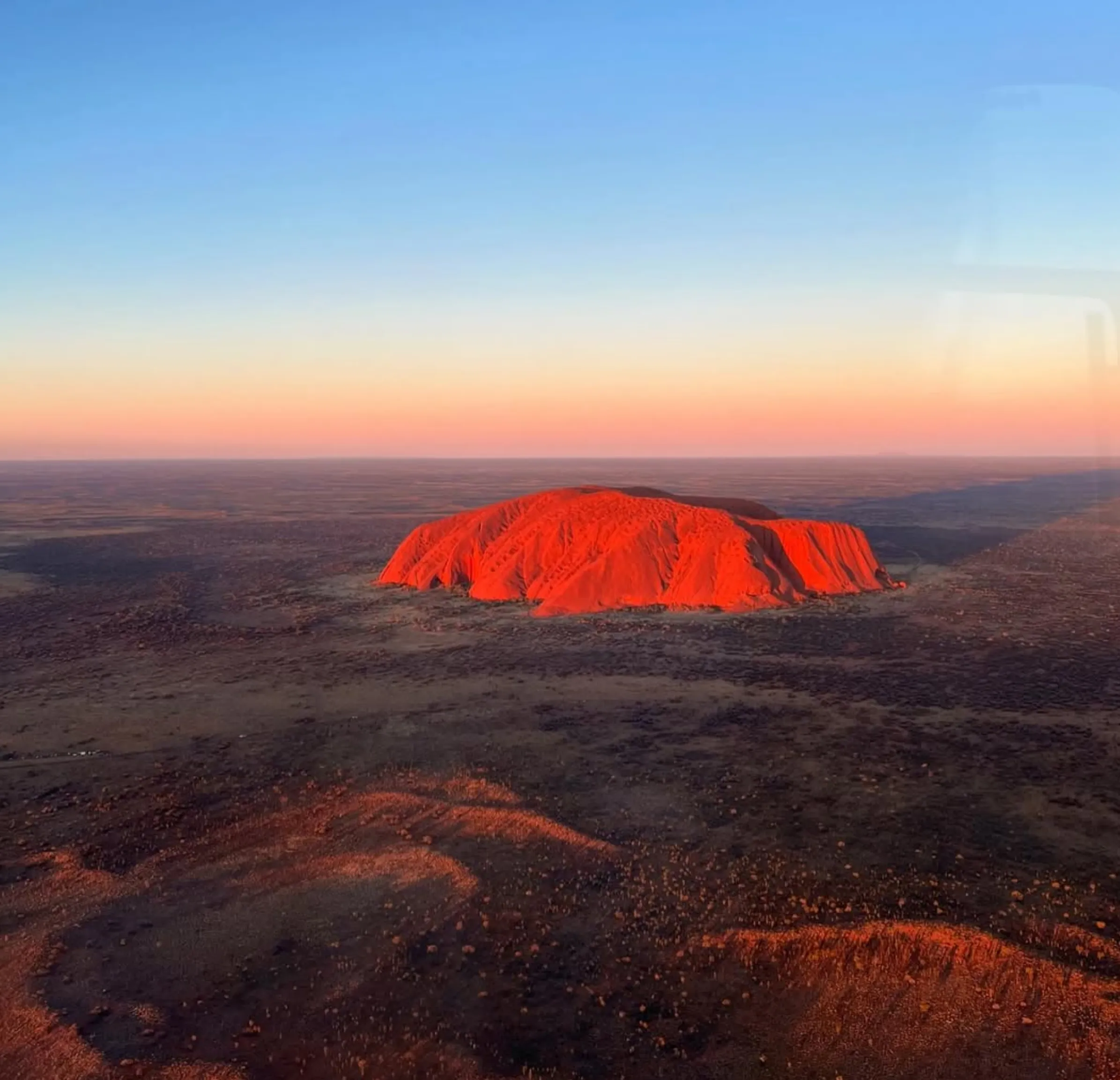
Even after 1985, many tourists kept walking up the rock. Signs asked visitors to respect Anangu wishes, but the Uluru rock climb was still technically allowed. It took another 34 years — until October 2019 — before the climb was closed.
I’ve walked with travellers who still ask, “Why can’t we climb?” The short answer: because it’s sacred. For the Anangu, Uluru isn’t a giant playground. It’s a living cultural landscape tied to spiritual links and Tjukurpa (Dreaming Law). You wouldn’t stomp across the altar of a cathedral — so why do it here?
Joint Management: How the Park Works Today
- Anangu Traditional Owners bring cultural knowledge, Dreaming stories and spiritual links to Country.
- Parks Australia handle infrastructure, Uluru tourism and conservation logistics.
The Board of Management has a majority of Anangu members. Every major decision — from signage to visitor rules — goes through both cultural and scientific lenses. This is land management that balances heritage, environment and tourism.
The Cultural Centre: A Bridge Between Visitors and Country
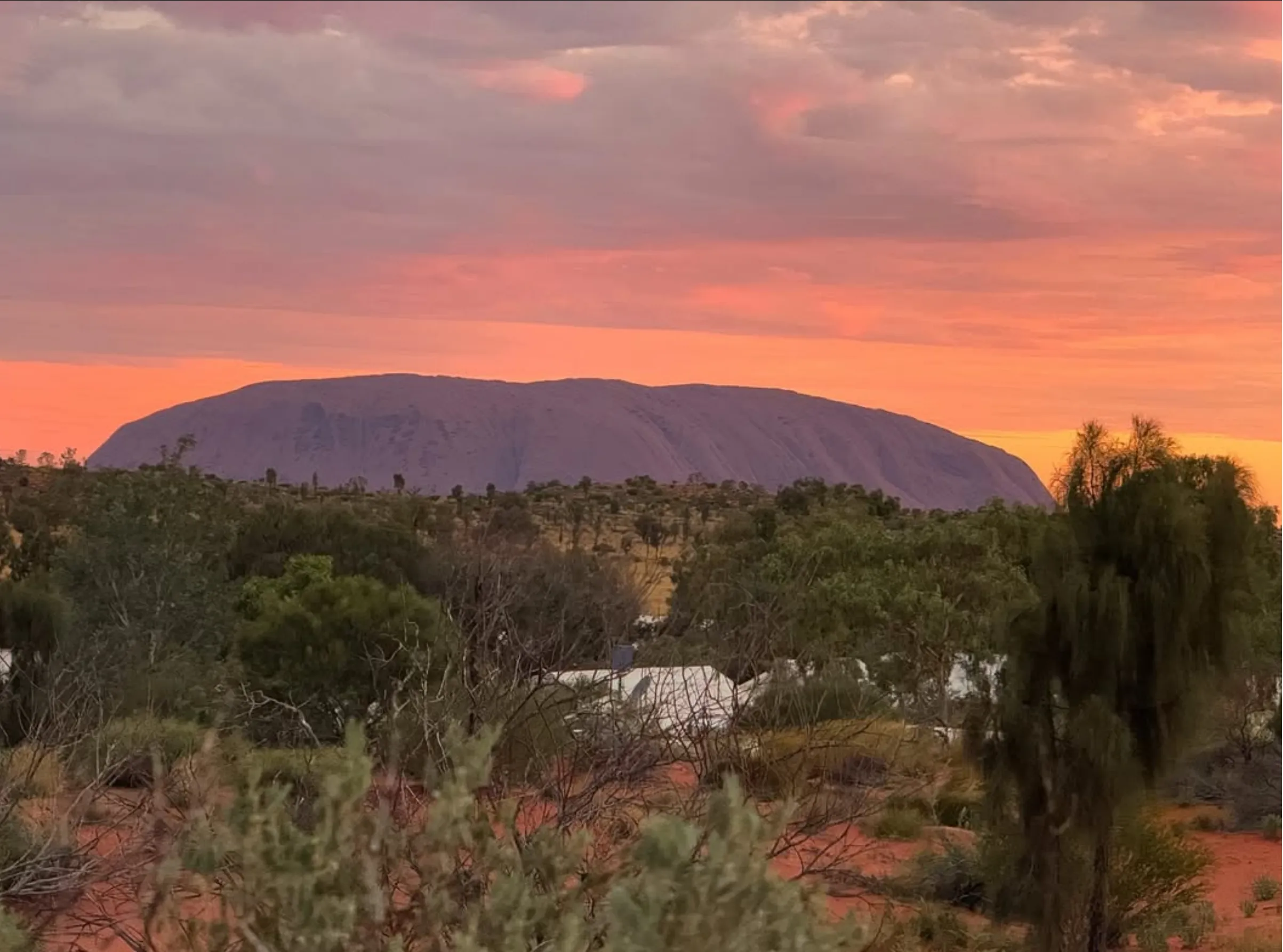
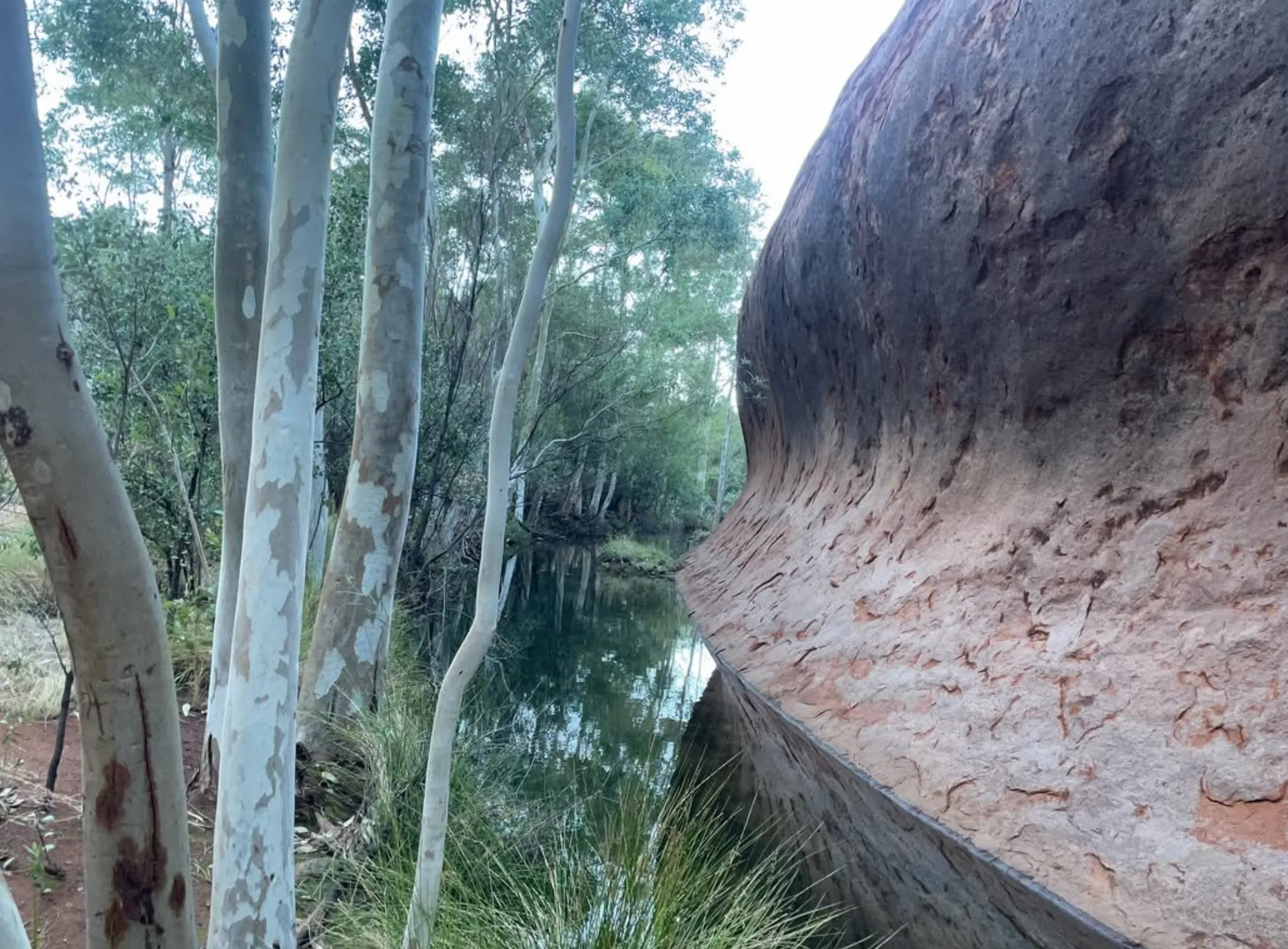
One of the best Uluru tour places to understand the 1985 handback is the Cultural Centre near the base of Uluru. Built with Anangu input, the centre explains Tjukurpa law, showcases Aboriginal art and reminds visitors why certain Uluru sacred sites are off-limits.
When I first walked through, I realised it wasn’t just a visitor centre with posters and pamphlets. It was a place where Anangu voices were front and centre — a quiet, powerful space where Uluru land rights are explained in a way that hits home.
Timeline of Key Events Since the Handback
| Year | Event |
|---|---|
| 1985 | Handback ceremony: title returned to Anangu |
| 1987 | Uluru–Kata Tjuta is listed as a World Heritage site (natural values) |
| 1994 | Listing extended to include cultural values |
| 2010 | The board begins discussions about closing the Uluru climb |
| 2019 | Uluru rock climb permanently closed |
| 2025 | Visitor numbers are rebounding post-COVID, with cultural tours in demand |
How Tourism Changed After 1985
In the 1970s, most visitors turned up in dusty Kingswood sedans, camped anywhere and thought nothing of scrambling up the rock with a can of beer. After 1985, Uluru tourism slowly grew. Walking tracks, interpretive centres and cultural tours appeared, and random camping was shut down.
Today, travellers want experiences with meaning. Stats from Tourism NT show that in 2025, over 72% of Red Centre visitors choose guided cultural activities, compared to just 38% in 2000. The trend is clear: people are hungry for knowledge, not just selfies.
If you’re planning an Alice Springs Uluru tour, you’ll notice operators like Autopia Tours now put cultural immersion at the centre of the itinerary — not just photo stops.
Lessons in Cultural Respect
The handback taught visitors a tough but important lesson: this land isn’t a theme park. It belongs to people with stories that go back more than 60,000 years. Visiting Uluru is a privilege, not a right.
- Don’t attempt the Uluru climb (closed permanently, but respect the principle).
- Stick to marked tracks — some Uluru sacred sites are off-limits.
- Respect photography restrictions — not every angle of Uluru is for public display.
- Visit the Cultural Centre to deepen your understanding.
- Take part in guided walks or cultural talks run by Anangu guides.
A guided Uluru tour is often the best way to learn these protocols without guesswork.
My First Visit After the Climb Closed
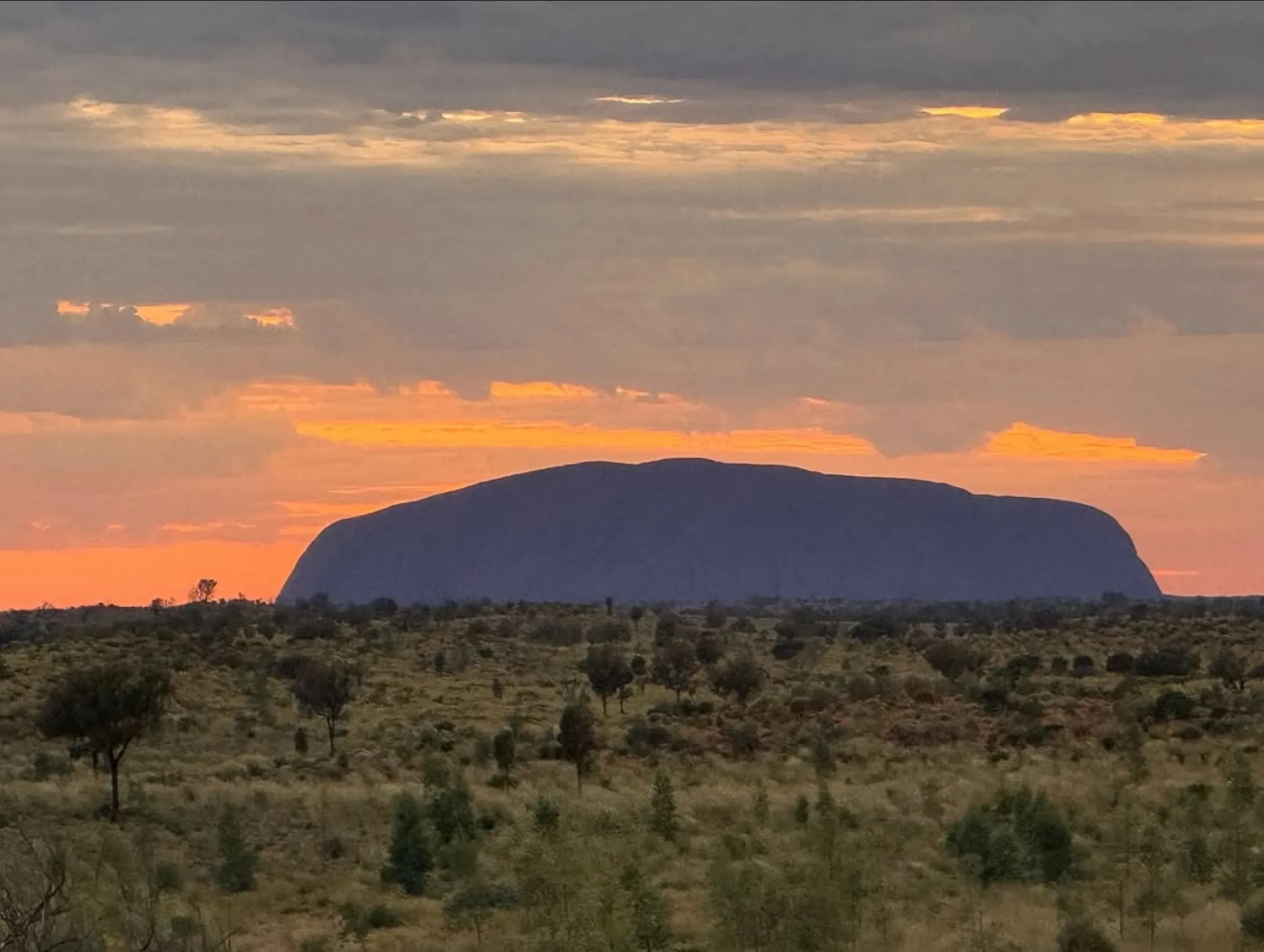
I first went to Uluru in the mid-2000s as a guide, when climbing was still open. Even then, I’d gently nudge my groups: “The best stories are down here, not up there.” When I returned in 2019, the place felt different. Quieter, more grounded. Instead of queues on the rock, I saw travellers listening to Anangu rangers explaining bush tucker plants. It felt like the park had finally caught up with its spirit.
That’s why, if you’re choosing among Uluru tours from Alice Springs, I’d suggest picking one that prioritises cultural walks, not just sightseeing.
Modern Challenges: Balancing Tourism and Country
- Visitor pressure: More than 250,000 people visit annually, and facilities need constant maintenance.
- Climate: Hotter summers and unpredictable rains are stressing the environment.
- Culture: Keeping younger Anangu generations involved in management and Uluru tourism.
The good Uluru tour operators are now including sustainability talks, reusable water bottles and reducing single-use plastics.
Uluru Travel Tips 2025
Heading to the Red Centre? Here’s the lowdown:
- Best time: April–September (dry season, cooler days).
- Permits: Parks Pass ($38 per adult for 3 days).
- Getting there: Flights into Yulara or a long haul via the Stuart Highway.
What to pack:
- Fly net (trust me, the mozzies and bush flies will drive you mad).
- Refillable water bottle (3 litres per person per day).
- Good walking shoes — the tracks may look flat, but the desert heat is brutal.
Tours: Consider an Alice Springs Uluru tour for the full outback experience — you’ll see how the desert changes along the way.
Fun Fact: Beauty Trends and Tourism Data Collide
Here’s a weird crossover: in 2025, global beauty trend data shows “cultural authenticity” and “natural wellness” are the top buzzwords. Same with travel. Just as skincare buyers are looking for products with fewer chemicals and more heritage branding, travellers are choosing authentic cultural experiences over mass market tours. The same demand applies to both industries: keep it real.
And just like people want products that are tested and trusted, more travellers are booking Uluru tours with a good reputation for cultural respect.
Final Thoughts
So what happened to Uluru in 1985? It was more than a land title handover — it was a national wake-up call. It showed that respecting Uluru sacred sites, Anangu culture and Australian law isn’t a barrier to Uluru tourism — it’s the key to making travel meaningful.
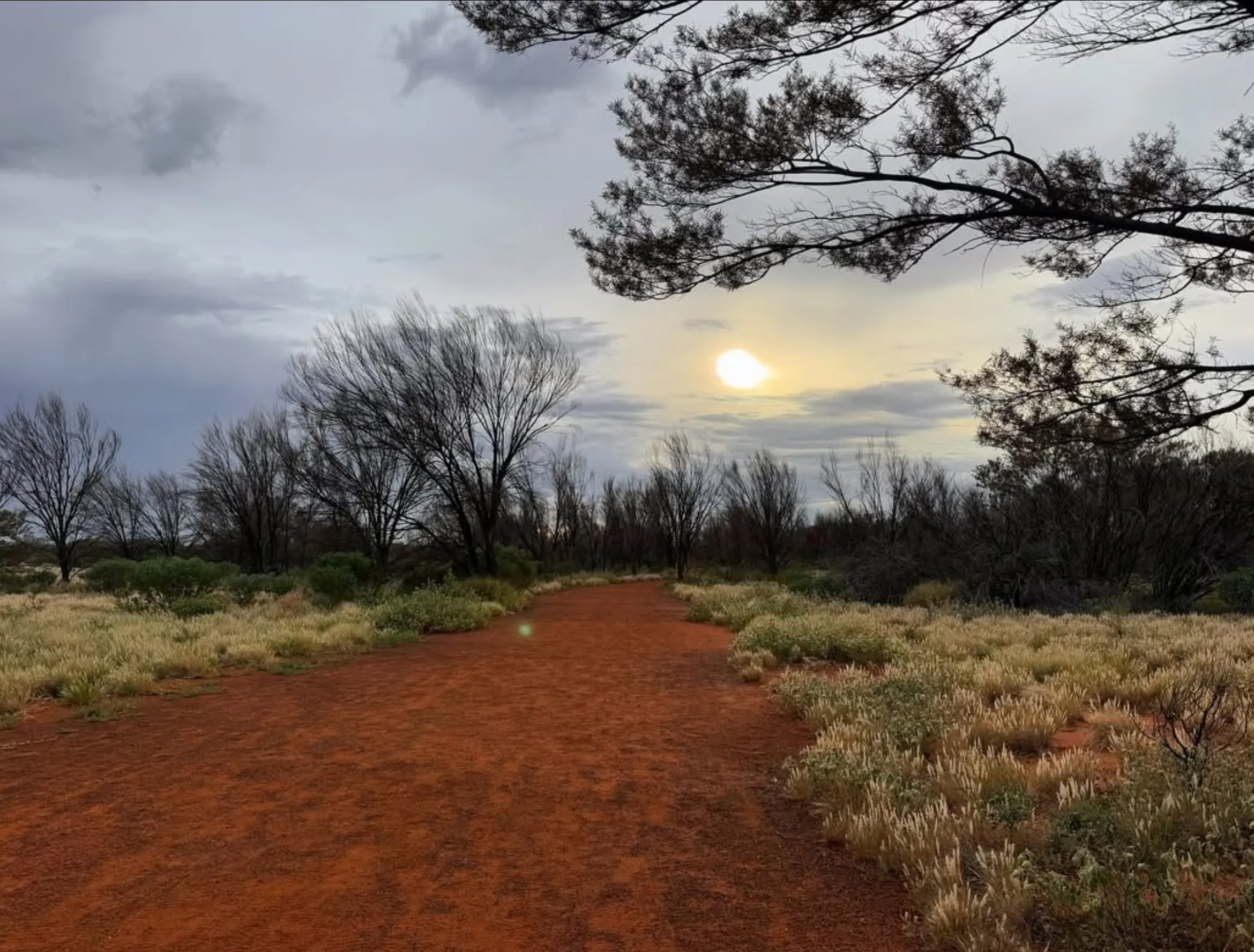
Next time you walk around the base track, stop and listen. You’ll hear the wind in the spinifex, the calls of corellas, and if you’re lucky, the stories shared by Anangu guides. That’s the heartbeat of Australia, still echoing from 1985 to today.
Got your own Red Centre yarns? Leave them in the comments — I’m always updating my field notes.
Written by Paul Beames
FAQ
Who owned Uluru before 1985?
Uluru was declared Crown Land by the government in the 1950s. It was managed as a national park, but Aboriginal land rights weren’t recognised until decades later.
Why was Uluru handed back in 1985?
After years of campaigning, the Australian Government acknowledged Uluru land rights and returned the title as part of a broader recognition of Aboriginal ownership.
Did tourists stop climbing after 1985?
No, the Uluru rock climb remained open until 2019, even though the Anangu asked people not to climb. Only after decades of negotiation was it closed permanently.
How does joint management work at Uluru today?
Anangu elders and Parks Australia co-manage the park. Decisions blend Indigenous law, spiritual links and Western conservation science.
Can you still camp near Uluru?
Free camping is no longer allowed within the park. Visitors stay at the Yulara resort village or book an Uluru tour package that includes accommodation.