
If you’ve ever sat in your lash tech’s chair, mirror in hand, squinting at the lash map while wondering what the heck a “D curl” is — you’re not alone. At my Brisbane studio, I’ve had countless clients ask me the same question: “Is C curl or D curl curlier?” So let’s clear this up once and for all, minus the fluff, and with a bit of lash-nerd passion.
At Cosmetic Tattoo Brisbane Studio Face Figurati, we get this question all the time — and for good reason. Whether you’re a first-time client or a seasoned lash lover, knowing the difference between curl types can completely change your lash game.
C vs D Curl: The Key Difference
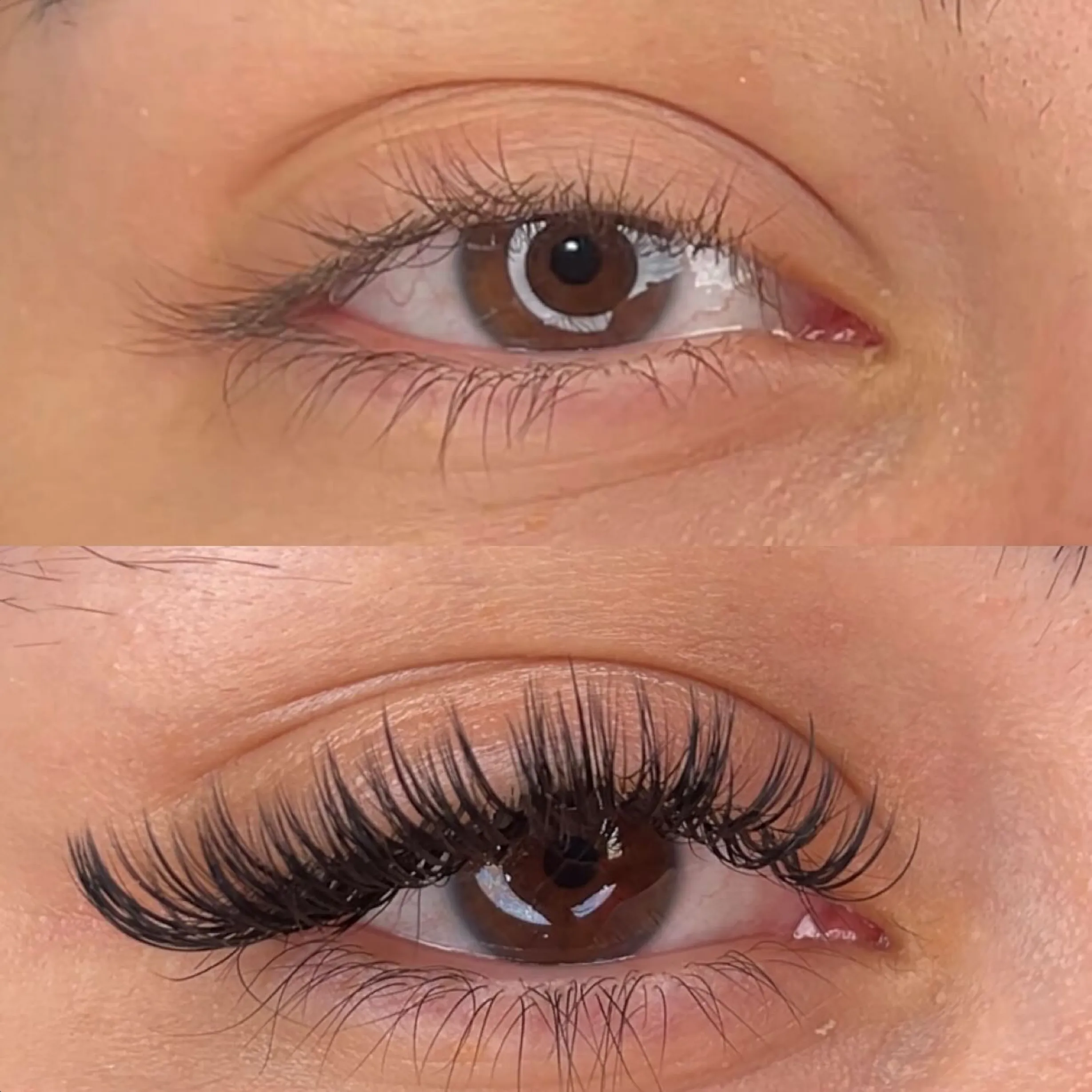
When we talk lash curls, think of it like measuring the angle at which the extension lifts off the lash line. The higher the lift, the curlier the lash.
Here’s a quick breakdown:
| Curl Type | Degree of Curl | Best For | Result |
|---|---|---|---|
| C Curl | Gentle lift (approx. 50-60 degrees) | Most natural lash types, especially those with a natural upward tilt | Subtle, natural enhancement |
| D Curl | Dramatic lift (approx. 70-80 degrees) | Downward-pointing lashes, deep-set or almond eyes | Bold, lifted, wide-eyed look |
C curl lashes create a soft, open-eyed look that mimics a natural lash with a slight upward curl, perfect for everyday wear or clients who want natural eyelash extensions without the drama.
D curl lashes, on the other hand, bring that extra lift. They’re the go-to for clients chasing a more dramatic curl, or those with heavily downward-angled natural lashes or hooded eyelids.
Type Matters More
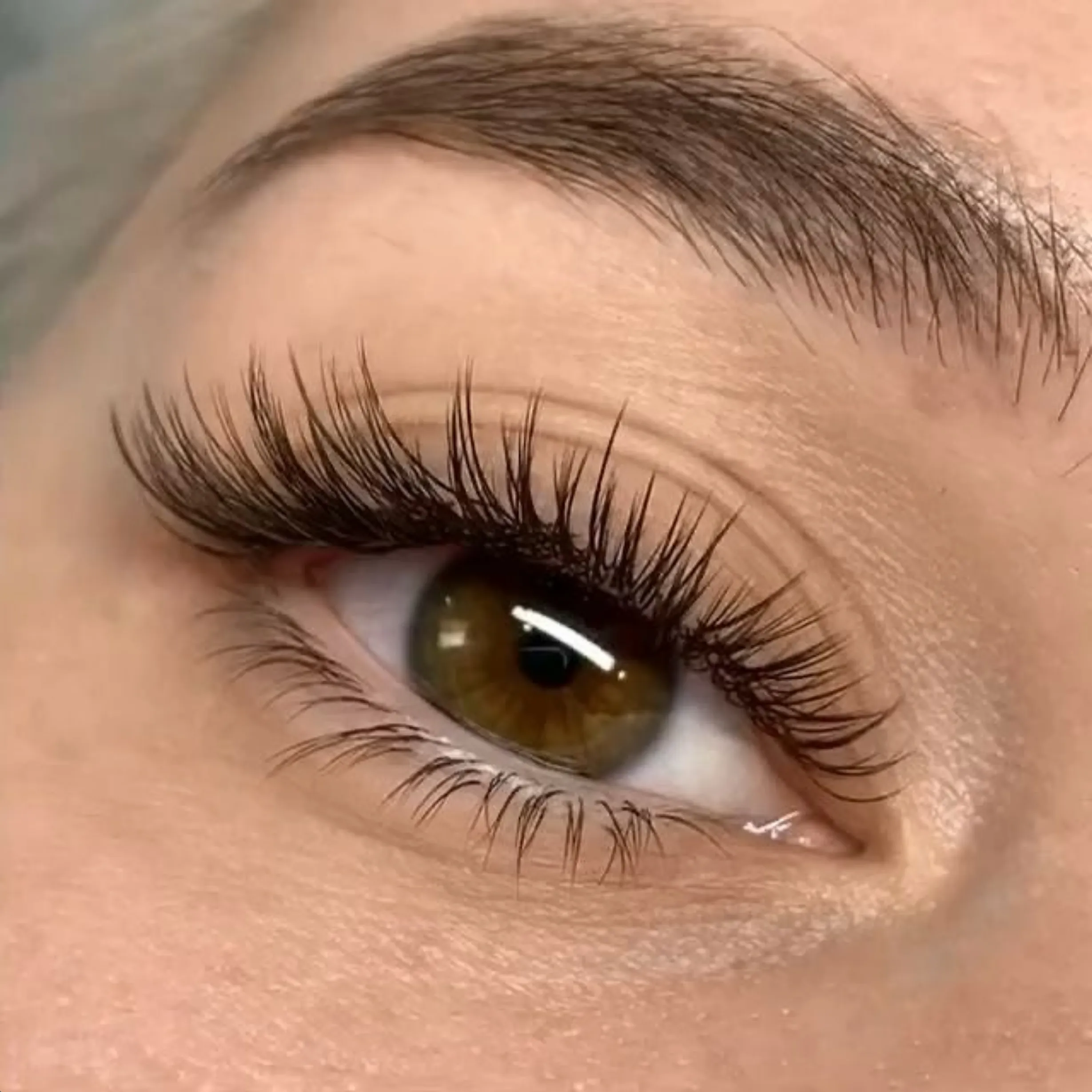
Choosing the right type of curl isn’t just about what’s trendy. It’s about how your natural lashes sit, how your eye shape reads visually, and what kind of lash appearance you’re going for.
- Got hooded or deep-set eyes? D curl can help lift the lash line out from under the lid.
- Downward-angle natural lashes? D curl gives that dramatic lift and helps with a more eye-opening effect.
- Straight lashes or stick straight growth? D curl can add the upward curl your natural lashes lack.
If you’re exploring eyelash extensions for the first time, it’s worth chatting through your options to avoid choosing the wrong curl for your lash type.
That said, if your lashes already have a bit of a natural curl, C curl might be all you need for a natural-looking lift or barely-there enhancement.
Pro tip from the lash room: Sometimes the best results come from a combo — a subtle curl (C) on the inner corners, building to a pronounced curl (D) at the outer edges. That’s Mapping lash designs done right.
What Clients Ask Most
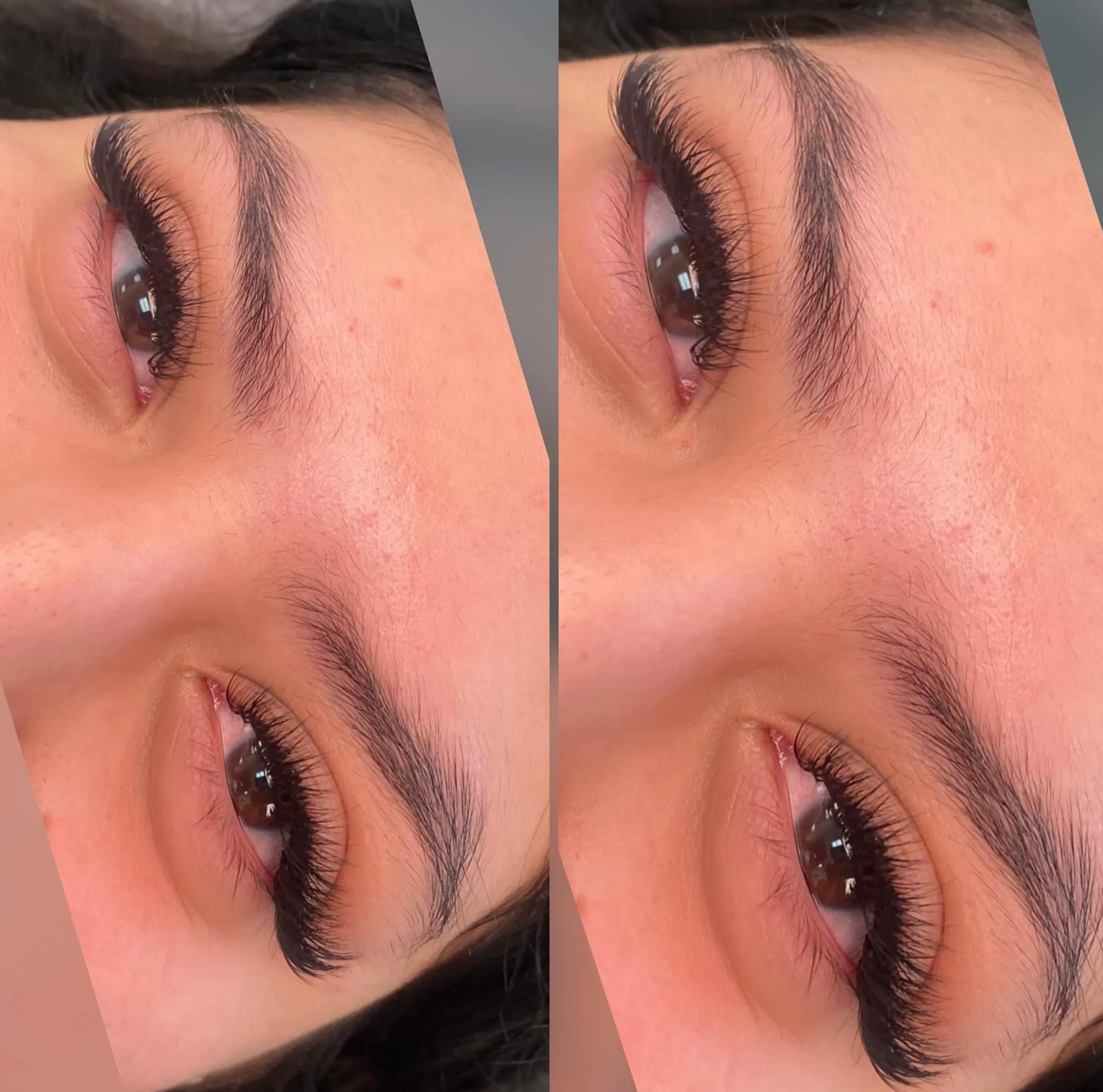
Clients love to ask: “Will D curls look too fake?” or “Will C curls even show up on my lashes?” Here’s what I tell them, truthfully:
- If you’ve got downward-growing natural lashes, C curl might disappear, especially when viewed front-on.
- If you want your eyes to appear more open or lifted, D curl offers more curl drama.
- For clients with flat base lashes or close-to-horizontal angle lashes, D curl creates a satisfying lash lift without needing an eyelash curler every morning.
And yes, some first-time clients walk in after Googling “eyelash extensions near me” with a screenshot of a mega-volume D curl set — not realising their own natural lash types can’t safely hold that weight. That’s where a professional lash technician steps in.
Curl Types and Retention
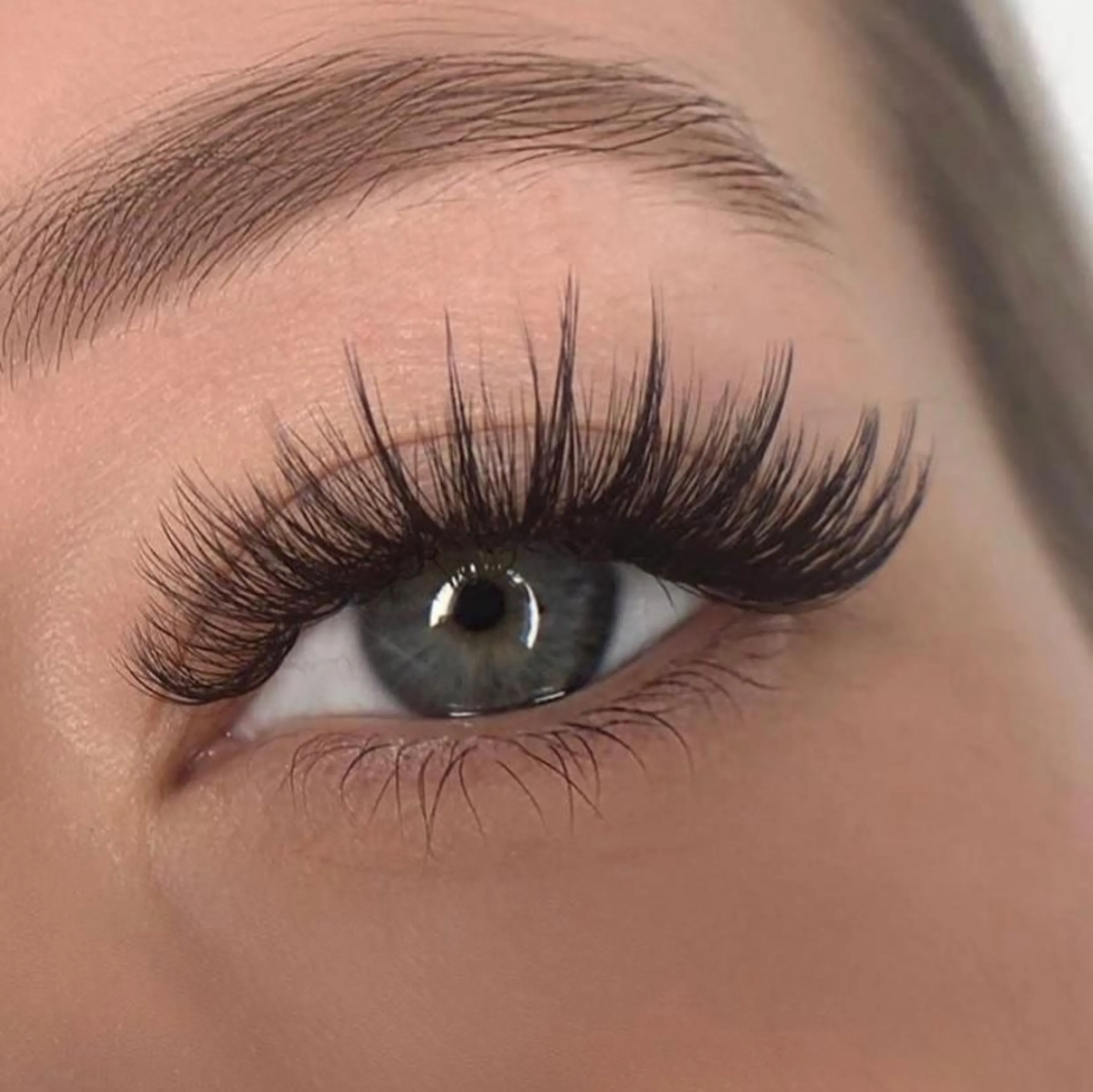
There’s a misconception that curly lash extensions always last longer because they ‘hook’ onto the natural lash. Not quite.
The reality? The curlier the lash, the smaller the bonding surface area. That means:
- D curls may shed faster on clients with oily skin or poor aftercare.
- C curls tend to have excellent retention if your natural lashes already have an upward angle.
What impacts retention more than curl?
- Lash prep and hygiene
- Lash extension thickness (extensions of diameter must match the natural lash strength)
- Lash condition and lifestyle
- Natural lash cycle
For students thinking about entering the field, a quality eyelash extension course will teach you how curl affects longevity, comfort, and overall results.
2025 Lash Trends
The 2025 beauty industry forecast from Lash Industry Insight Australia shows a 30% rise in requests for hybrid sets using mixed curls, especially among clients aged 25-40.
Why? Because clients are chasing dimension, not just volume. Mixing C and D curls gives a more layered, fluffy lash style without going full glam. Think soft curl on the inner corner, D curl on the centre, tapering off to C curl again.
It’s also a win for lash creativity. Beginner lash artists are learning to combine lash curl types to suit different eye shapes, lash goals, and Client Preferences.
If you’re thinking of a career switch or upskilling your beauty toolkit, investing in a reputable eyelash extension course will give you the confidence to work with all curl types and client profiles.
Choosing Between C Curl and D Curl
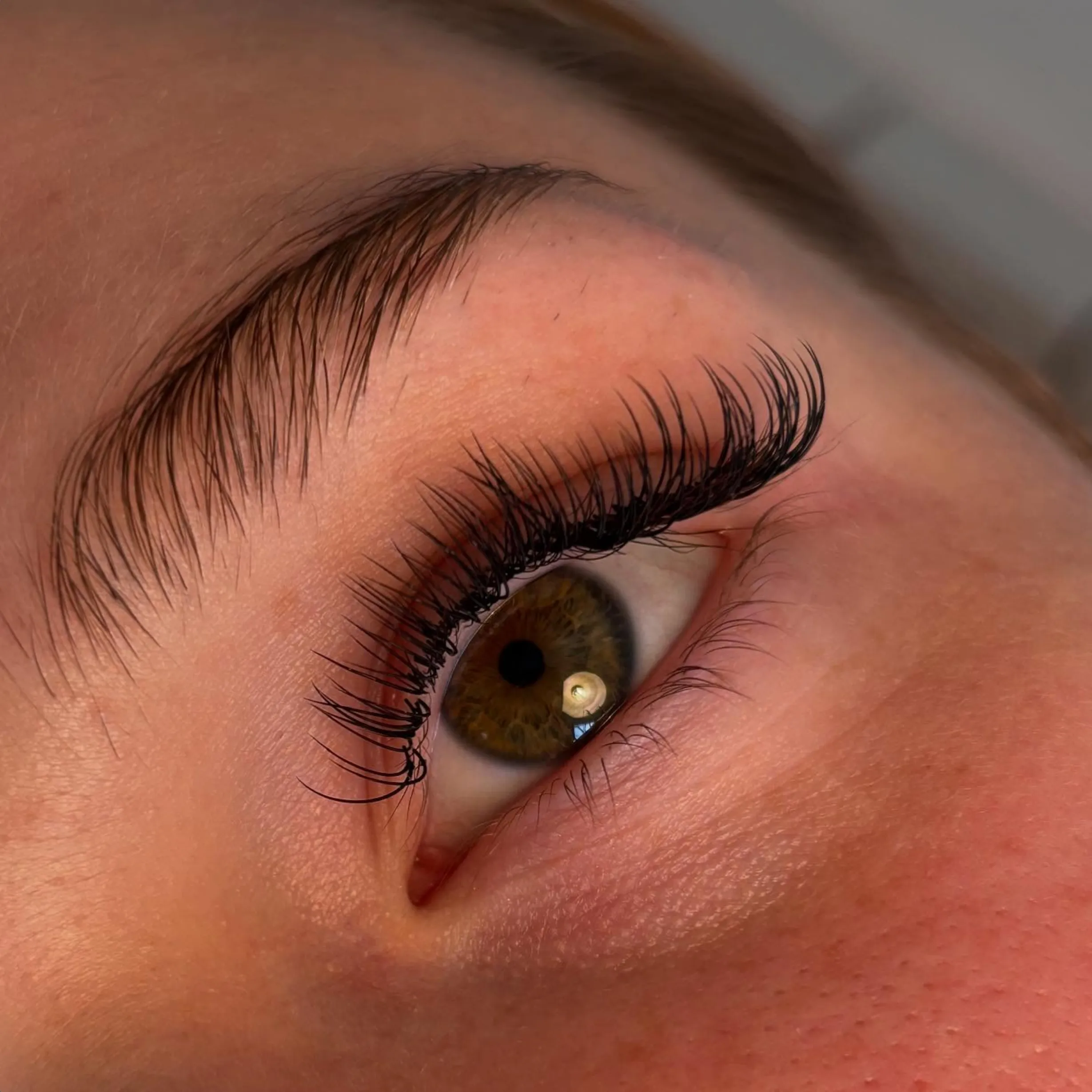
This is where a lash artist earns their stripes. A curl that looks stunning on your best mate might make your eyes look surprised, heavy, or just… off. Choosing the wrong type of curl can impact retention, comfort, and even the look of your natural beauty.
If you’re a beginner lash artist, investing in a quality eyelash extension course can help you understand how to match curl to lash type and create looks that actually last.
Here’s a quick guide based on eye shapes:
- Almond eyes: Lucky you, most curls suit. C curl for natural beauty, D curl for bold, eye-catching lash looks.
- Hooded eyelids: D curl gives more lift above the lid, ideal for deep-set or droopy eyes.
- Downturned eyes: C curl offers a gentle lift and subtle enhancement without dragging the lash line.
- Deep-set eyes: D curl helps lashes push through the lid fold, creating an open-eye effect.
- Round eyes: Stick with C curl or Hybrid Lashes for a subtle curl that doesn’t overexaggerate.
Pro tip: Always assess the natural lash angles. Some lashes grow in a downward angle, others in a close-to-horizontal angle — both affect which curl gives the most satisfying lash lift.
Final Word
C curl or D curl? You’ve probably figured out by now it’s not a simple yes or no. D curl is curlier, but curl alone doesn’t make or break your lash set.
The best curl lash extensions come down to:
- Your natural shape and lash condition
- The application process and advanced lash techniques used
- The design strategy (like corner lashes or a fabulous doll eye effect)
- And of course, your personal style and lash game
FAQ
Is C curl or D curl more naturally looking?
C curl generally looks more natural and suits natural-looking curl preferences. D curl gives a more lifted, glamorous appearance.
Which curl is best for hooded or deep-set eyes?
D curl is usually the better choice — it creates a noticeable lift and works well on droopy eyelids, deep-set eyes, or downward-angle lashes.
Can you mix C and D curl lashes in one set?
Absolutely. A combination of curl types enhances lash design and dimension. Great for Hybrid Lashes and Mapping lash designs.
Do D curls last longer than C curls?
Not necessarily. Retention depends more on the adhesive, aftercare, and the correct volume fan size for your lash type.
How do I know which curl is right for me?
Chat with a professional lash artist. They’ll factor in your lash extension experience, natural curve, eye shape, and even volume techniques to recommend the perfect curl for your individual client profile.